Systems Biology of
Transcriptional Regulatory Networks
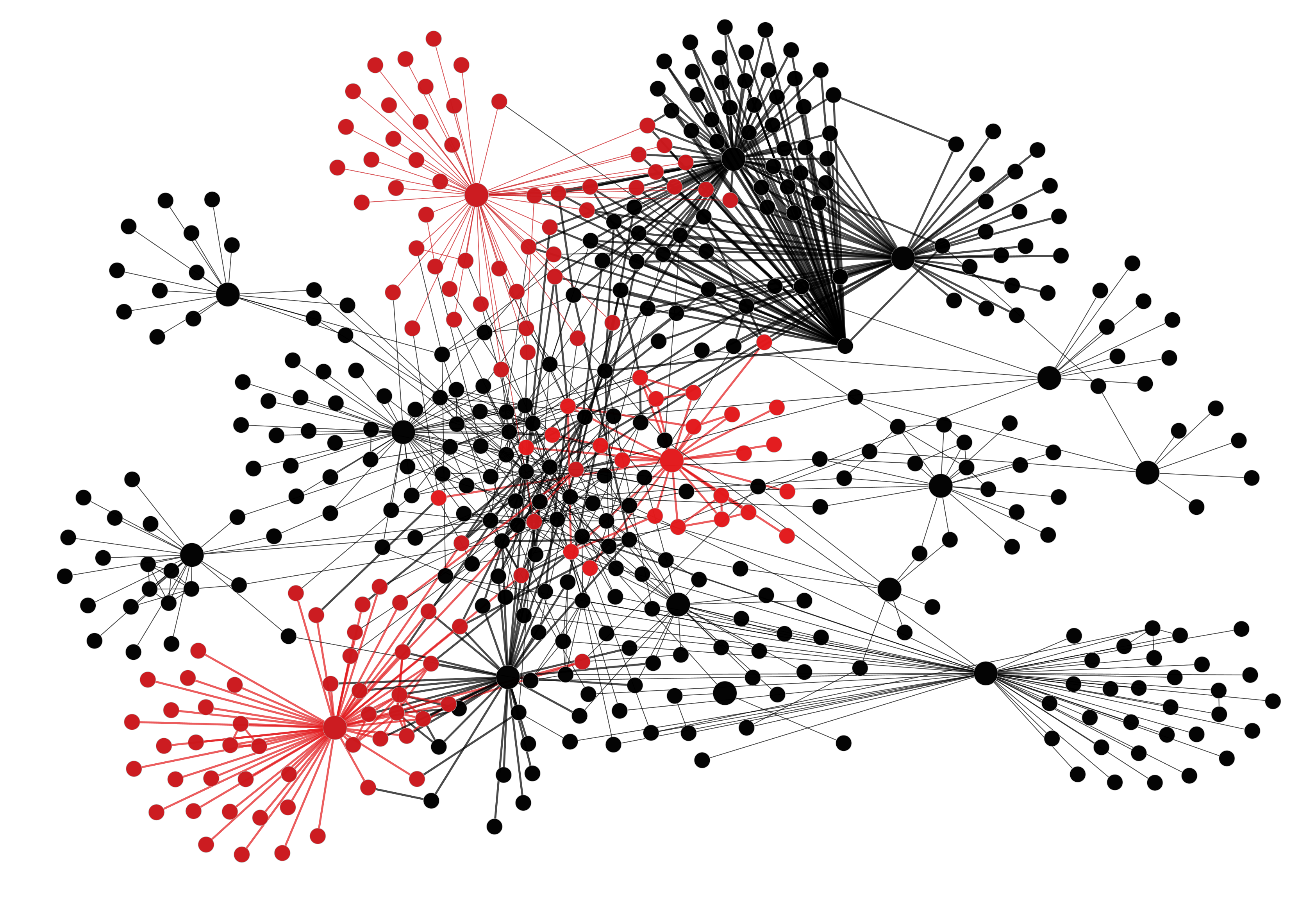
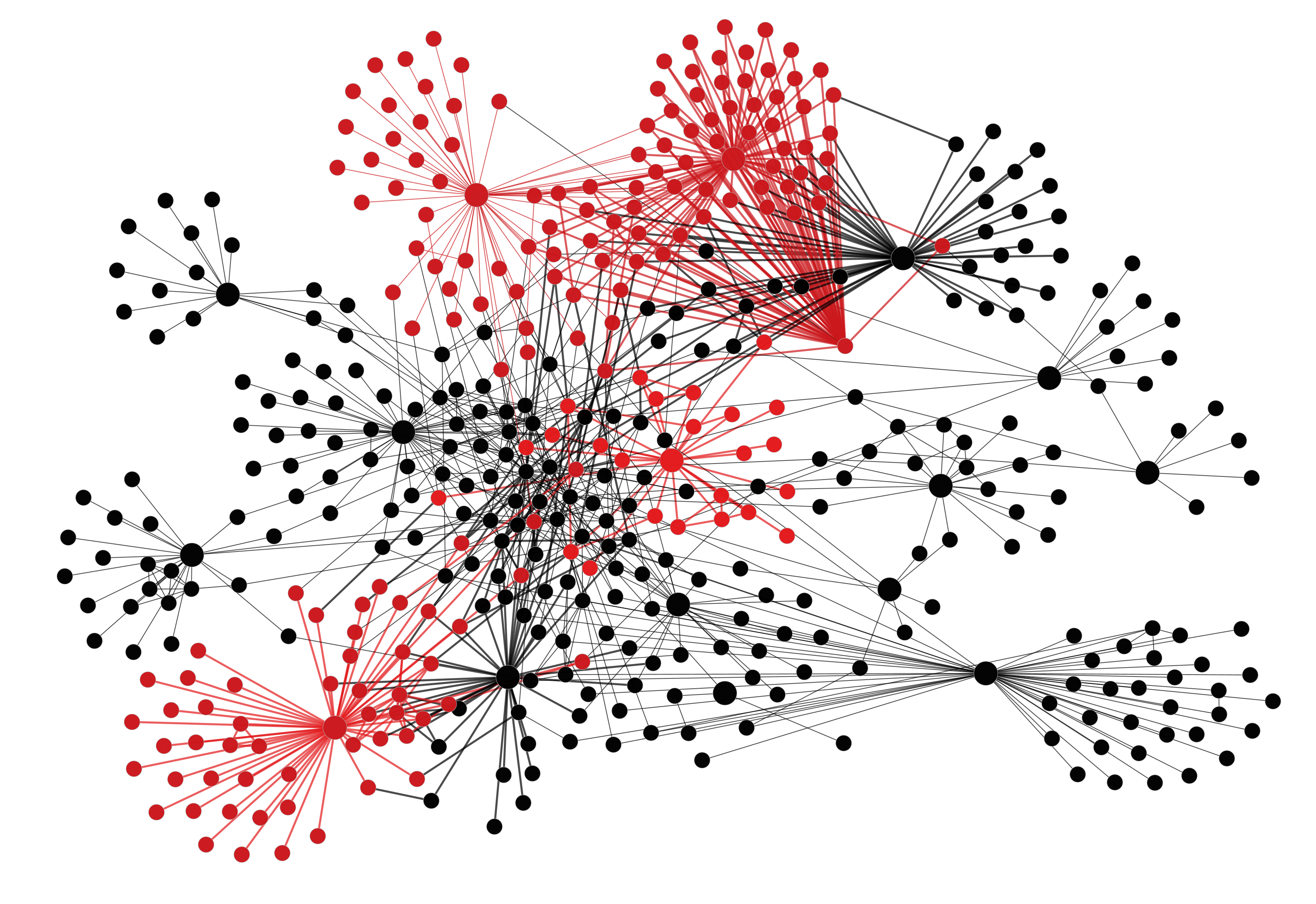
We study how transcriptional regulation enables cells to adapt to environmental changes, from the principles dictating molecular interactions to the organization and regulatory mechanisms of their complex networks.
How do transcriptional regulatory networks enable cells to adapt to their environment ?
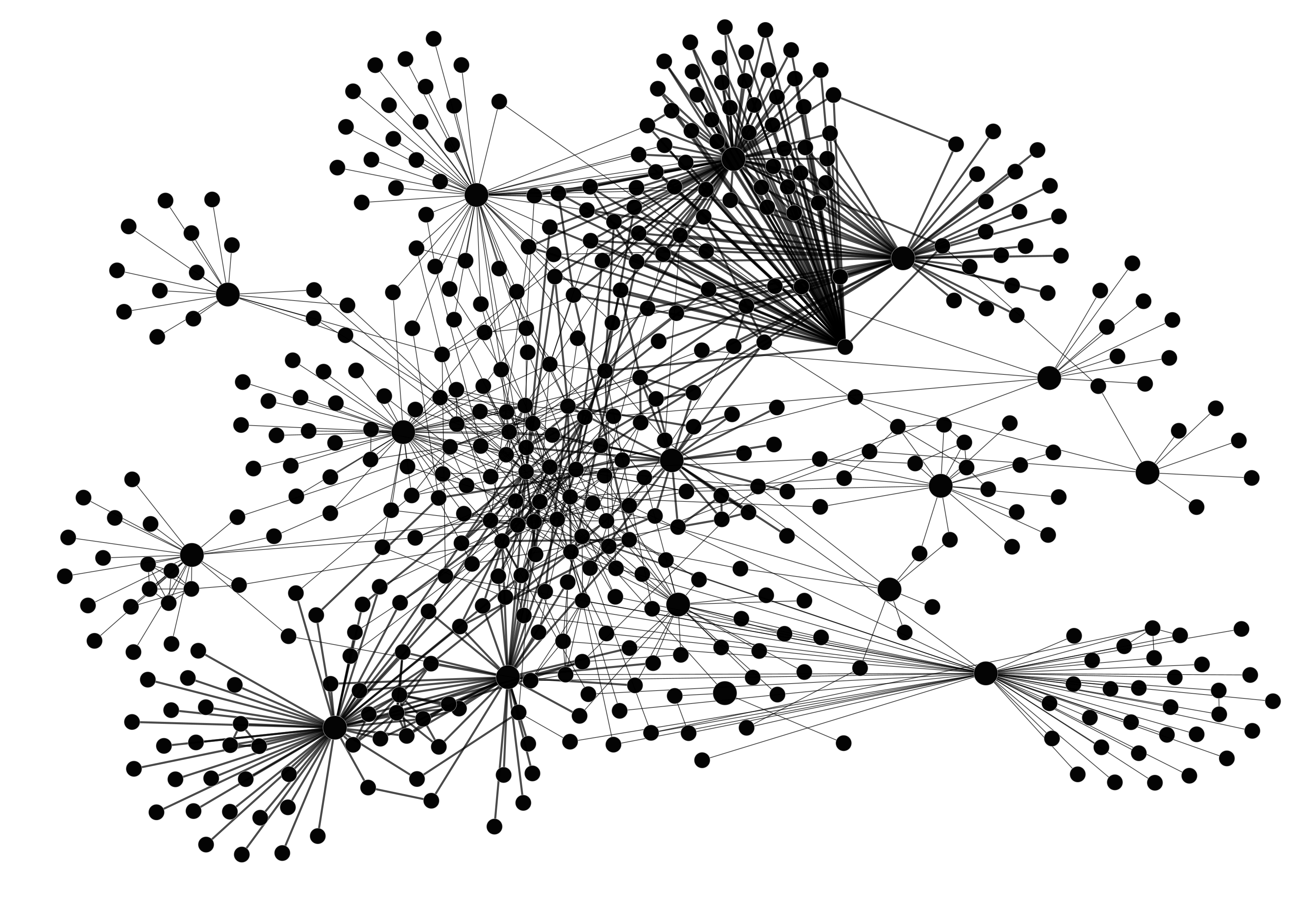
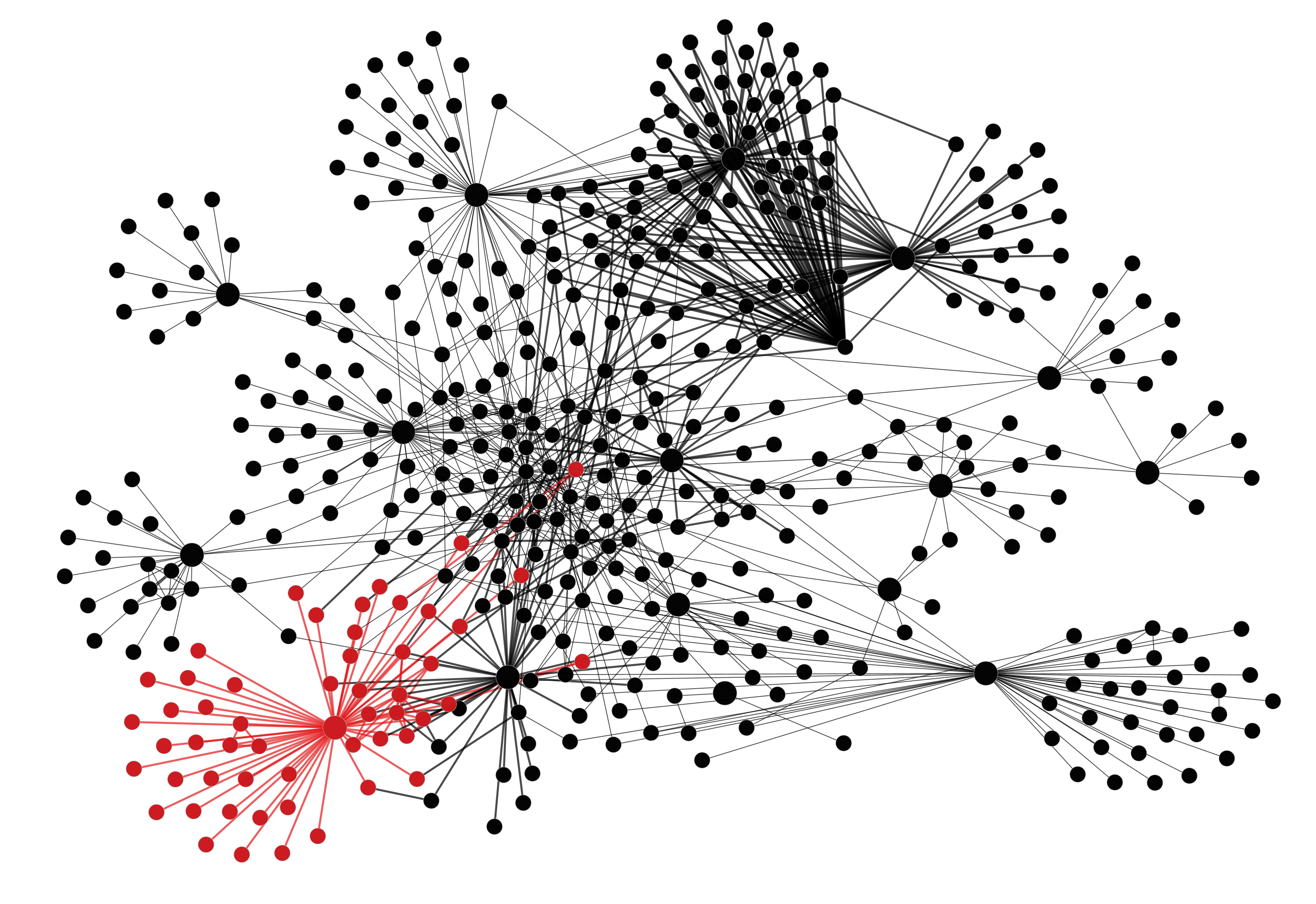
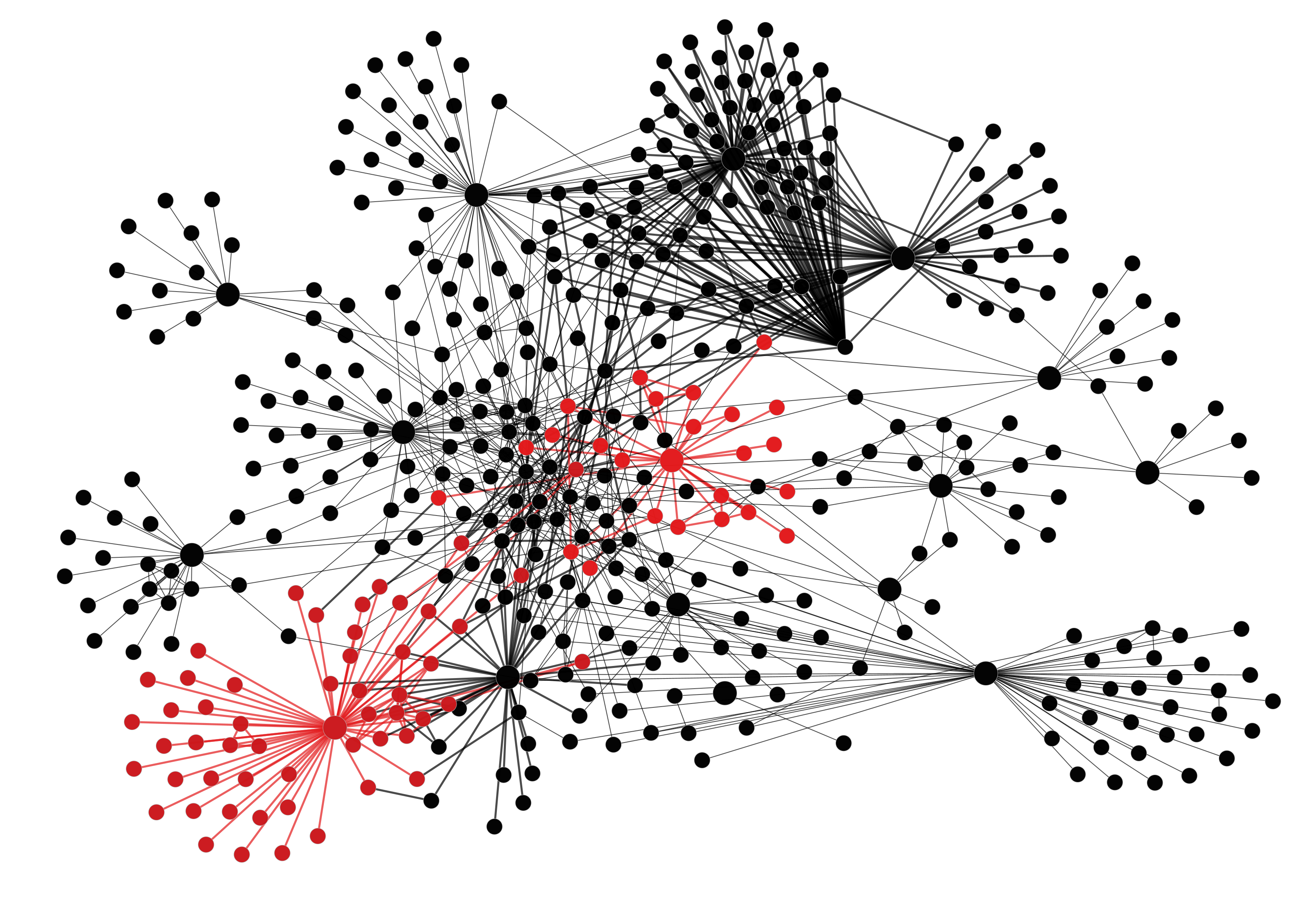
We work at the scales of molecular interactions and networks, focusing on transcription factors: the DNA-binding proteins regulating gene expression. To that aim, we use and develop high-throughput sequencing-based methods to systematically characterize transcriptional regulatory networks.
Our model systems are microbes, with a particular focus on bacterial pathogens and how their regulatory networks drive the establishment of infections in humans.
We study bacterial pathogens to understand how transcriptional regulatory networks evolve to integrate new genetic material, and how they enable the phenotypic adaptation needed for infections. To address this question, we leverage unique high-throughput methods to characterize regulatory networks at scale. Using these networks, we can interpret data from infections to identify and characterize molecular interactions that allow bacterial pathogens to adapt to the human body and cause infections.
Additionally, we study regulatory network evolution within and between pathogenic species to identify core regulatory interactions conserved across pathogenic isolates and reveal how changes in gene content reshape regulatory networks.
We aim to define transferable molecular rules that dictate transcription factor regulatory interactions to enable the prediction and manipulation of the networks driving gene expression responses. To that aim, we combine high-throughput assays with computational modeling to decode and predict transcription factors DNA-binding specificity. Using these tools, we aim to investigate how DNA-binding preferences evolve to bridge the gap between TF protein sequence and function.
Additionally, we aim to explore the use of such predictive tools for the design of new-to-nature transcription factors with on-demand functions.
Methods
We use and develop high-throughput sequencing-based approaches to characterize transcriptional regulatory networks. Particularly, we have developed a high-throughput automated pipeline for genome-wide characterization of transcription factor interactions at the scale of entire regulatory networks. With such tools, we can probe the molecular interactions of all transcription factors of a given organism, opening the door to study new questions at the network scale.
We study different aspects of transcription factor biology: the interactions of transcription factors with DNA, and the molecular signals sensed by transcription factors to modulate their regulatory activity. With different methods addressing these two aspects, we study the multi-layer interplay between the transcriptional regulatory networks and the metabolic and protein-protein interaction networks, to provide a systematic understanding of how different molecular stimuli shape phenotypes through these networks.
Open softwares and resources
A web platform to design and decode combinatorial group testing strategies to reduce the amount of measurements needed across assay types, following user-defined constraints such as time, cost or sample dilution.
Selected work
| Year | Publication | Link |
|---|---|---|
| 2026 | Talamanca L, Trouillon J. Combinatorial group testing for efficient scaling across biological applications. Nature Communications. | DOI → |
| 2026 | Hurto RL, Schroeder JW, Trouillon J, et al. Profiling large-scale protein occupancy on bacterial genomes using IPOD-HR. Nature Protocols. | DOI → |
| 2025 | Trouillon J, Huber AE, Trabesinger Y, Sauer U. Predicting input signals of transcription factors in Escherichia coli. Molecular Systems Biology. | DOI → |
| 2024 | Holbrook-Smith D, Trouillon J, Sauer U. Metabolomics and Microbial Metabolism: Toward a Systematic Understanding. Annual Review of Biophysics, 53:41–64. | DOI → |
| 2023 | Trouillon J, Doubleday PF, Sauer U. Genomic footprinting uncovers global transcription factor responses to amino acids in Escherichia coli. Cell Systems, 14(10), 860–871. | DOI → |




Work with us
PhDs & postdocs
We are always happy to hear from motivated students and postdocs interested in transcriptional regulation, molecular biology or computational biology. Get in touch with your CV and a short note on your interests.
Get in touchMaster's projects
We continuously offer projects for Master students, with flexible durations. Projects can be experimental, computational, or a mix of both, focused on our main research topics. Reach out to learn more about open projects or the possibility to design one where our interests meet.
Project listFind us
Institute of Molecular Systems Biology
ETH Zürich
Otto-Stern-Weg 3, HPM
8093 Zürich, Switzerland